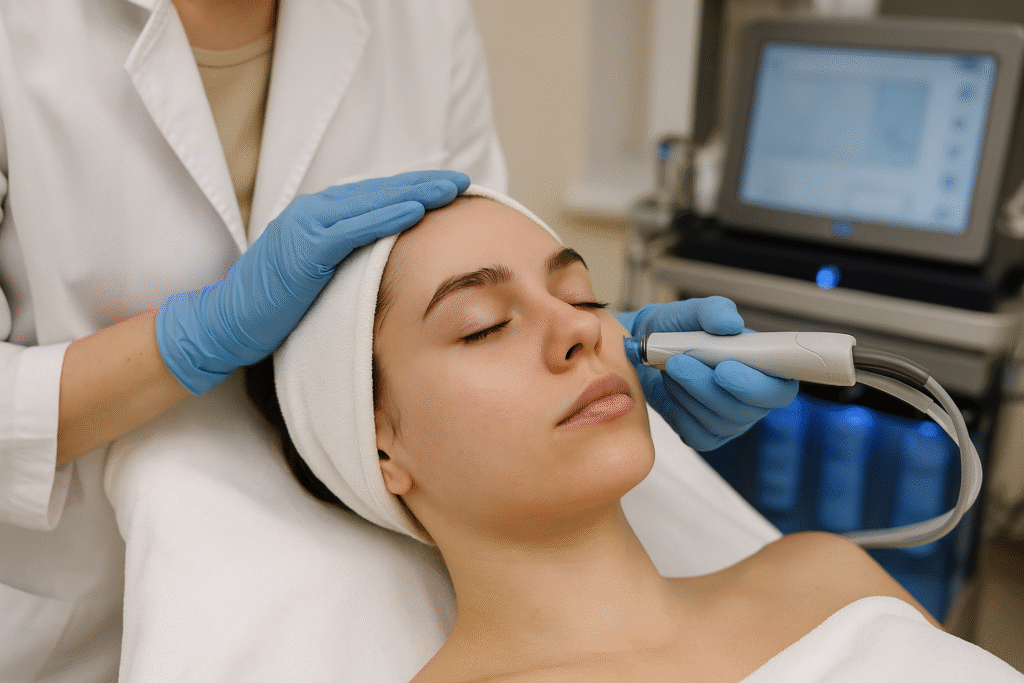
If you’re dealing with acne or the scars it leaves behind, you’re not alone. Acne can be frustrating, persistent, and often painful—not just physically but emotionally. Whether you’re in your teens or facing adult breakouts, acne doesn’t discriminate. And once it’s gone, it often leaves behind scars that remind you of the battle.
But the good news? Acne and acne scar reduction is absolutely possible—with the right care, the right clinic, and the right expert guiding you.
In this blog, we’ll walk you through everything you need to know about acne and acne scar reduction, why it happens, and how Kotil Skin Science in Preet Vihar, Delhi can help you achieve smoother, clearer, healthier skin.
Understanding Acne: More Than Just Pimples
Acne is a common skin condition that occurs when your hair follicles become clogged with oil, dead skin cells, and bacteria. It leads to different types of lesions, including:
Whiteheads and blackheads
Pustules (pimples with pus)
Nodules and cysts (painful, deep pimples)
Acne can appear on the face, back, chest, or even shoulders. While it’s most common during teenage years, adult acne is also rising due to stress, hormones, poor lifestyle, and pollution.
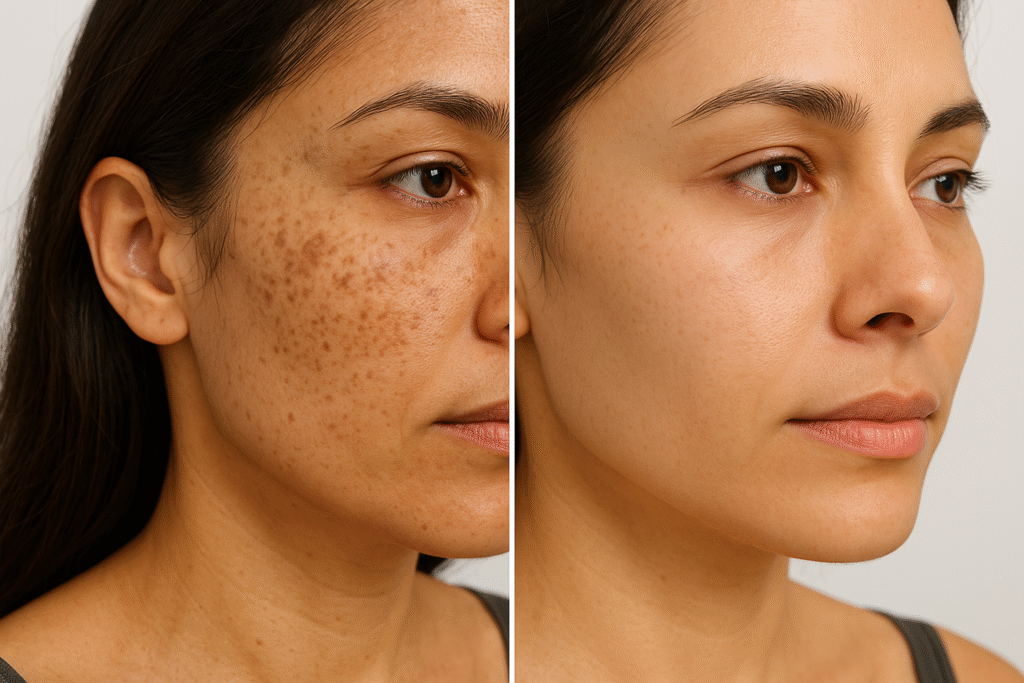
The real concern is not just active acne—but also the acne scars it can leave behind. That’s where acne and acne scar reduction becomes essential.
What Causes Acne Scars?
Scars form when inflamed acne lesions damage the skin tissue and don’t heal properly. Common types of acne scars include:
Ice pick scars: Deep, narrow pits
Boxcar scars: Wide, shallow depressions
Rolling scars: Wavy, uneven texture
Post-inflammatory hyperpigmentation: Dark spots left behind after acne
The more severe the acne, the higher the chance of permanent scarring. That’s why early and proper treatment is crucial—not only to control breakouts but to prevent long-term marks.
Why Choose Kotil Skin Science for Acne and Acne Scar Reduction?
Located in Preet Vihar, Delhi, Kotil Skin Science is known for offering advanced, personalized skin solutions backed by science and technology.
Expert Dermatologists and Skincare Specialists
The team at Kotil Skin Science includes qualified dermatologists who specialize in treating acne and acne scars using medical-grade and aesthetic techniques.
Customized Treatment Plans
No two skins are alike. That’s why they begin with a thorough skin analysis to identify the type and severity of your acne and scars before tailoring a treatment plan just for you.
Safe, Effective Procedures
From clinical facials to advanced lasers, all procedures at Kotil Skin Science are non-invasive, FDA-approved, and conducted under expert supervision.
Holistic Skin Wellness Approach
They don’t just treat acne—they help you understand your skin better, maintain its health, and prevent future breakouts through guided skincare and lifestyle recommendations.
Top Treatments for Acne and Acne Scar Reduction
Kotil Skin Science offers a wide range of advanced procedures to target both active acne and the marks left behind. These include:
1. Chemical Peels
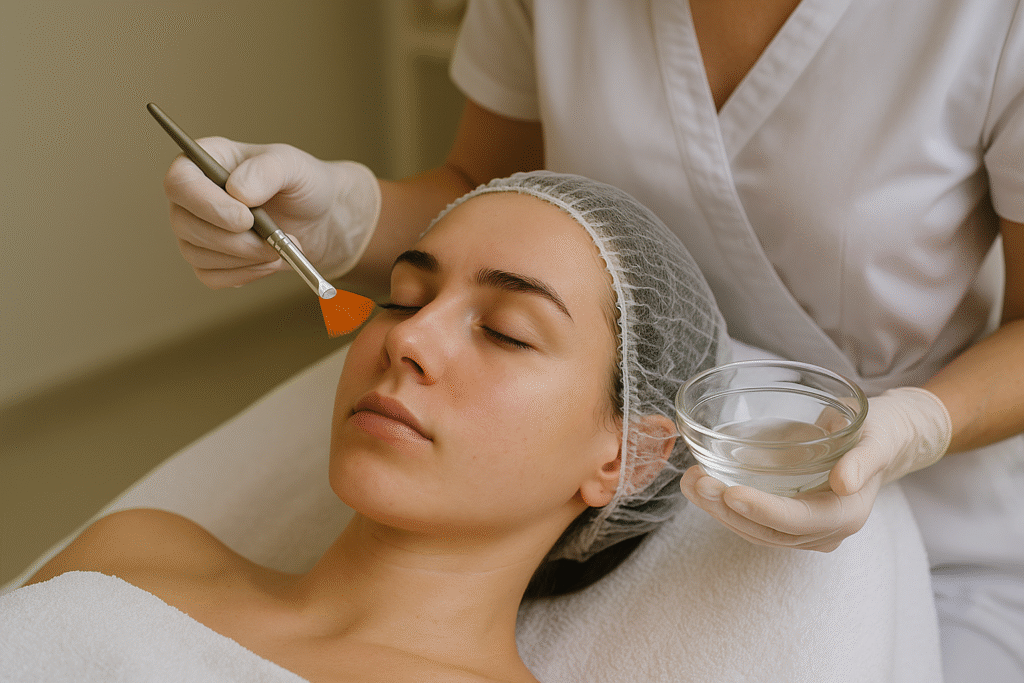
These exfoliating treatments remove the top layers of dead skin, helping unclog pores, fade dark spots, and reduce acne scars over time.
2. Laser Therapy
Laser treatments work wonders for scar reduction. They boost collagen, smooth out textured scars, and improve overall skin tone.
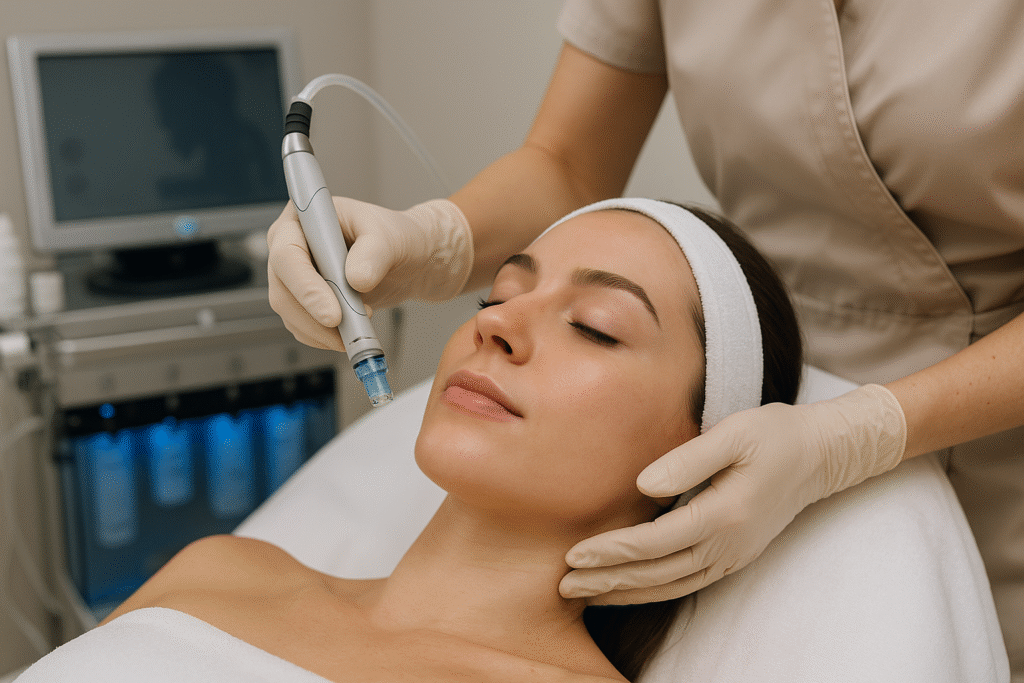
3. Microneedling (Collagen Induction Therapy)
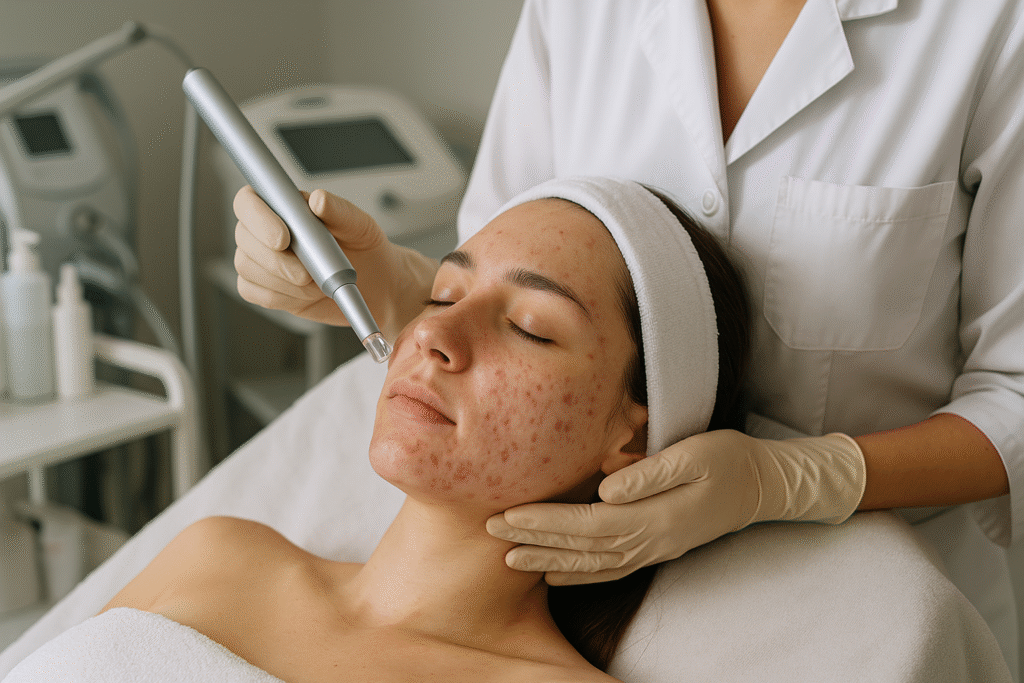
A minimally invasive treatment where tiny needles create micro-injuries that trigger the body’s healing process and boost collagen—perfect for ice pick and rolling scars.
4. Acne Extraction and Medifacials
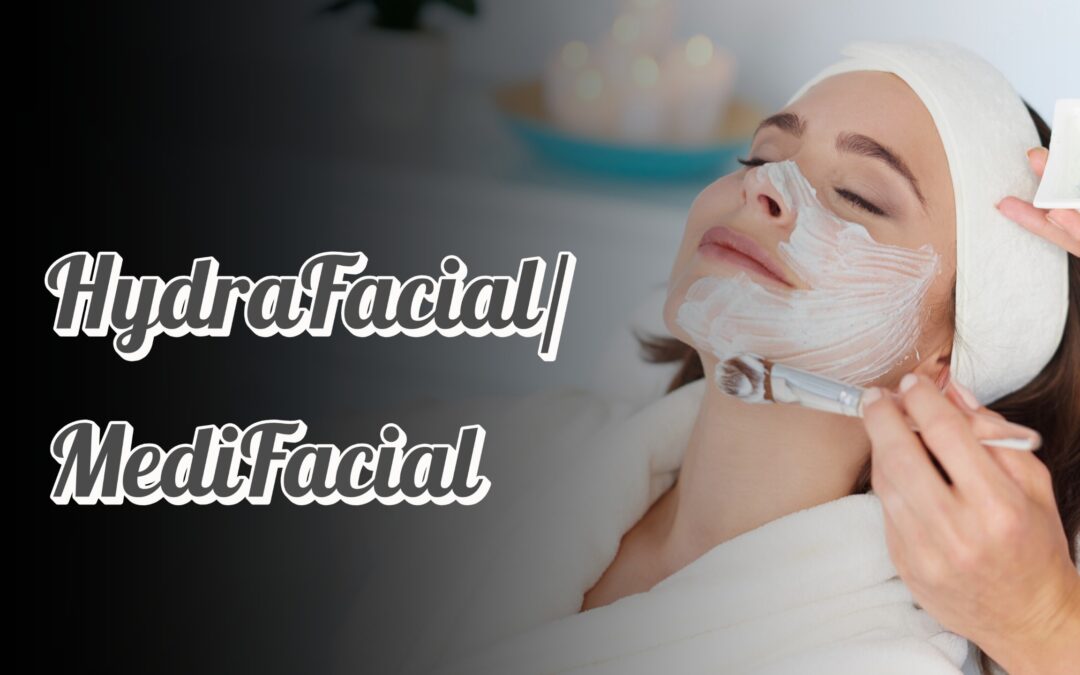
For active acne, gentle extraction combined with deep-cleansing medifacials helps remove blackheads, whiteheads, and calm inflammation.
5. PRP (Platelet Rich Plasma)
When combined with microneedling, PRP accelerates healing, reduces redness, and improves scar appearance significantly.
6. Skincare Regimens and Oral Medications
Kotil Skin Science may also prescribe targeted skincare routines or medications to support in-clinic treatments and prevent recurrence.
What Makes Acne and Acne Scar Reduction Successful?
Achieving long-lasting results depends on multiple factors:
Starting early: Treat acne before it leads to scarring
Choosing the right clinic: Like Kotil Skin Science, with proper technology and expertise
Following the plan: Sticking to post-treatment care and prescribed skincare
Being patient: Scar reduction is a gradual process, not an overnight fix
With consistency and professional care, visible improvement is absolutely achievable.
Realistic Expectations: What Results Can You See?
Most patients begin noticing smoother, more even-toned skin after a few sessions. Deep scars may take longer, but gradual improvement is the key.
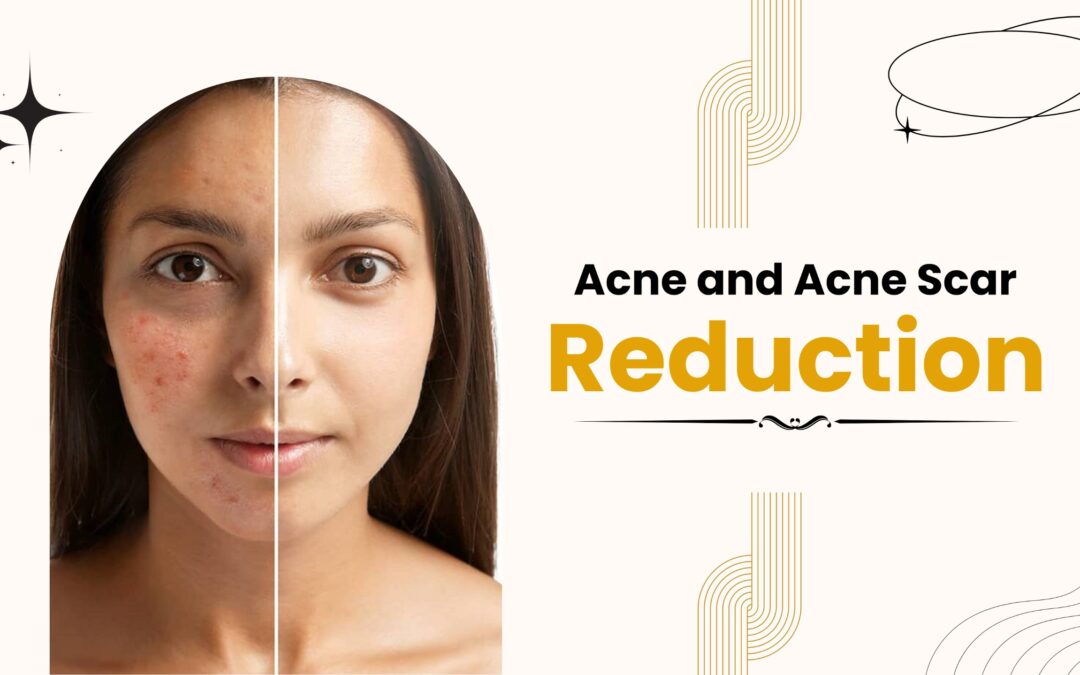
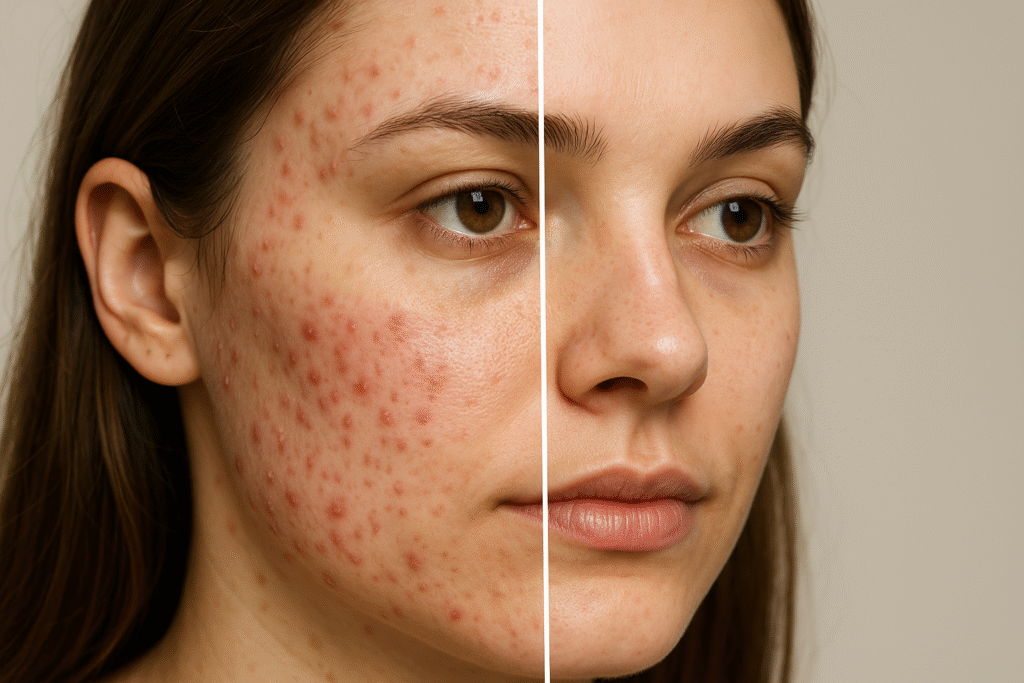
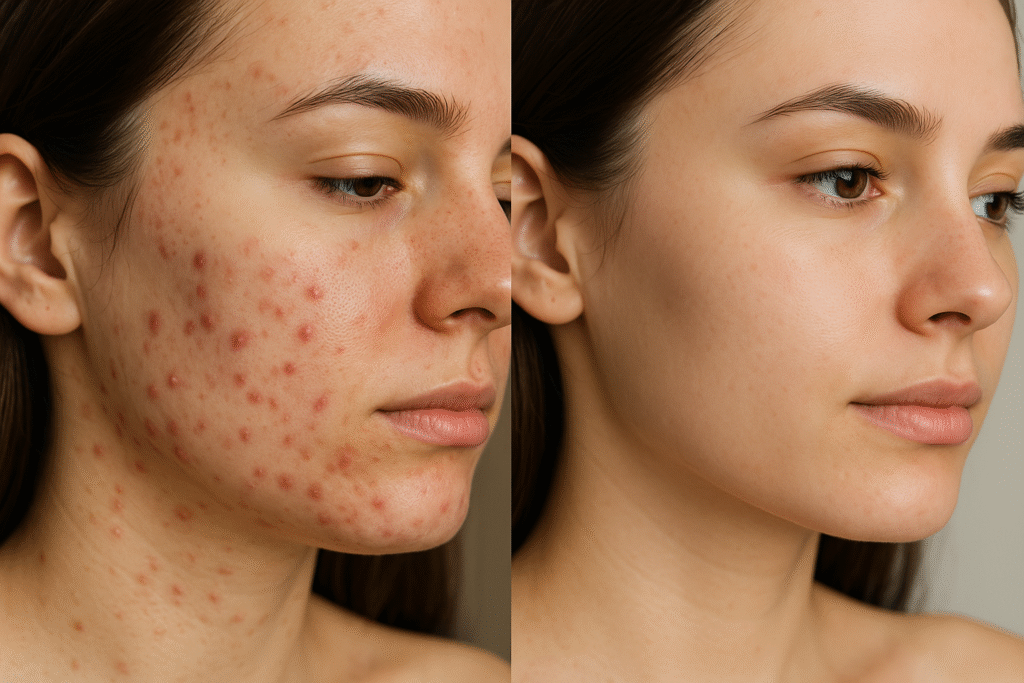
At Kotil Skin Science, before-and-after photos and client testimonials speak for themselves—showing significant reduction in acne, smoother skin texture, and boosted confidence.
Clear Skin Begins With a Consultation
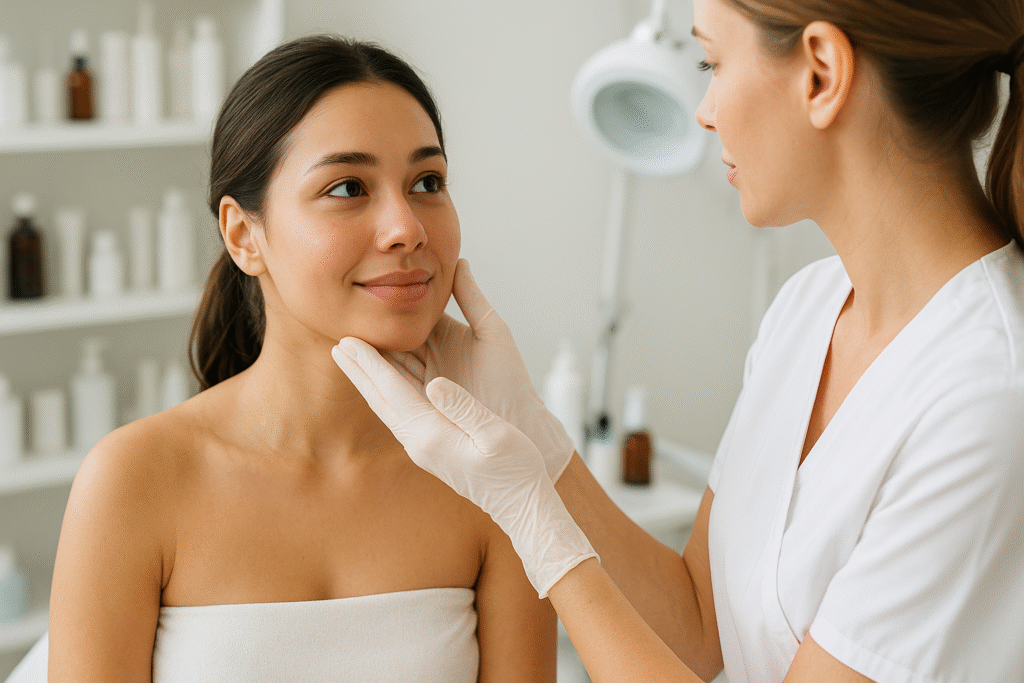
The first step toward acne and acne scar reduction is a personalized consultation. During your visit to Kotil Skin Science, the dermatologist will:
Assess your skin condition
Identify acne types and scarring patterns
Recommend a tailored treatment protocol
Explain expected results and aftercare
It’s the perfect opportunity to ask questions, clarify concerns, and begin your skin-healing journey with confidence.
Prevention: How to Maintain Acne-Free, Scar-Free Skin
After professional treatment, your role in maintaining the results is just as important. Here’s how to support your skin at home:
Stick to a gentle, dermatologist-recommended skincare routine
Avoid picking or popping pimples
Use sunscreen daily to prevent pigmentation
Stay hydrated and follow a balanced diet
Manage stress through mindfulness or physical activity
Kotil Skin Science often provides detailed skincare plans to help you maintain your glow long after the treatments.
Conclusion
Acne and scars don’t just affect your skin—they can impact your confidence, social life, and self-esteem. But with expert care, they don’t have to be permanent.
At Kotil Skin Science, the journey to clearer skin is scientific, safe, and personalized. Whether you’re facing stubborn breakouts or long-standing scars, the right team and treatments can make all the difference.
So if you’re searching for real results and professional care for acne and acne scar reduction, your solution is just one appointment away.
Frequently Asked Questions (FAQs)
1. Is acne scar reduction permanent?
While no treatment can erase 100 percent of scars, advanced dermatological procedures can reduce them significantly—often by 60 to 80 percent or more—with lasting results.
2. How long does it take to see results?
You may start seeing improvements after 2 to 3 sessions, but full results usually take 3 to 6 months depending on your skin’s healing response and scar depth.
3. Can home remedies treat acne scars effectively?
Natural remedies might offer minor improvement but can’t match the precision and depth of clinical treatments. For visible, lasting results, professional care is best.
4. Is acne and acne scar reduction safe for sensitive skin?
Yes. At Kotil Skin Science, treatments are tailored to each skin type, including sensitive and acne-prone skin, ensuring safety and effectiveness.
5. Can acne scars come back after treatment?
Once scars are treated, they typically don’t return. However, new breakouts can cause new scars. That’s why prevention and maintenance are essential.
If you’re struggling with acne, you’re not alone—and you’re definitely not helpless. Whether you’re dealing with occasional breakouts or persistent acne that just won’t go away, the good news is that professional help is available. The even better news? You can find some of the best dermatologist clinics in Preet Vihar for acne that offer real solutions, not just temporary fixes.
In this article, we’ll walk you through everything you need to know—from why acne needs expert care to what makes a skin clinic stand out in Preet Vihar.
Why You Need a Dermatologist for Acne
Acne isn’t just a cosmetic issue—it’s a medical condition. Pimples, whiteheads, blackheads, cysts, and scars are all signs that your skin is reacting to deeper issues like excess oil, clogged pores, inflammation, or even hormones.
While over-the-counter creams may work for mild acne, moderate to severe cases usually need targeted treatments. That’s where dermatologists come in.
Not all skin clinics are created equal. So how do you know which one is worth your time and trust? Here’s what to look for when choosing a clinic in Preet Vihar:
Qualifications & Experience Matter
Look for clinics where the dermatologist:
Is board-certified
Has specialized training in acne and acne scar management
Has a solid history of successfully treating acne patients
The more experience they have, the more likely they are to understand your specific skin concerns.
Advanced Technology & Treatment Options
Modern skin clinics in Preet Vihar are equipped with advanced tools and techniques. Some common acne treatments offered include:
Word of mouth still matters. Check Google reviews, clinic websites, or social media pages to see what past patients have to say. Look for mentions of:
Visible improvement in acne
Friendly and knowledgeable staff
Clean, hygienic environment
Reasonable follow-up care
Genuine feedback can give you an idea of what to expect.
What to Expect During Your Visit
Visiting a dermatologist might feel intimidating, especially if it’s your first time. But it’s a simple, straightforward process when you choose the right clinic.
Step 1: Consultation & Diagnosis
The dermatologist will examine your skin, ask about your history, lifestyle, and triggers, and possibly perform a skin analysis.
Step 2: Customized Treatment Plan
Based on your acne type and severity, you’ll be recommended a combination of:
Topical creams or gels
Oral medications (like antibiotics or retinoids)
In-clinic procedures
Skincare routine changes
Step 3: Ongoing Monitoring
Good clinics in Preet Vihar schedule follow-ups to track progress and tweak the plan if needed. That way, your skin improves steadily without harsh side effects.
Top Acne Treatments Offered in Preet Vihar Clinics
Dermatologist clinics in Preet Vihar are known for offering comprehensive acne solutions—not just for active acne but also for acne scars and pigmentation.
Here are some commonly recommended treatments:
Chemical Peels: Gently exfoliate the skin and reduce active breakouts and scars.
Laser Treatment: Targets inflammation and bacteria under the skin while improving scars and pigmentation.
Acne Extraction: Safely removes blackheads and whiteheads without scarring.
HydraFacial & Medifacial: Deeply cleans pores and hydrates the skin.
Microneedling with PRP: Stimulates skin repair and boosts collagen production.
Oral Medications: Prescribed in cases of hormonal or cystic acne.
The best part? These treatments are often tailored for your skin tone and type, making them safe and effective even for sensitive or oily skin.
Why Preet Vihar Is a Hub for Skincare Solutions
Preet Vihar, located in East Delhi, has emerged as a go-to destination for dermatology and skin care. Here’s why:
It has a high concentration of reputed skin clinics
Dermatologists here often hold advanced certifications
Clinics invest in the latest skincare technology
You’ll find both premium and affordable options
Accessibility via metro and main roads makes visits convenient
Acne can impact more than just your appearance—it can affect your confidence and emotional health too. The good news? You don’t have to live with it.
With the right dermatologist in Preet Vihar, you can get to the root of your acne issues and finally enjoy clear, healthy skin. Whether you’re battling teen acne, adult hormonal breakouts, or stubborn scars, there’s a clinic in Preet Vihar ready to help.
All it takes is one appointment to start your journey toward clearer skin.
Frequently Asked Questions (FAQs)
1. Can acne be permanently cured by a dermatologist?
While acne can’t always be “cured” forever, dermatologists can manage and reduce it significantly with professional treatments and maintenance plans. Many patients enjoy long-term clear skin with proper care.
2. How many sessions will I need for acne treatment?
It depends on your skin type, severity of acne, and how your skin responds. Mild acne may improve in 3–4 sessions, while more stubborn cases might need 6–8 sessions or more.
3. Is it safe to get acne treatment during summer or monsoon?
Yes, most acne treatments are safe year-round. However, your dermatologist may modify your routine slightly to avoid sun sensitivity or excess humidity reactions.
4. Will I need oral medication too?
In moderate to severe acne cases, dermatologists may prescribe oral antibiotics or retinoids. These are usually combined with topical products or clinic procedures for best results.
5. How do I know if a dermatologist in Preet Vihar is good?
Look for board certification, clinic hygiene, patient reviews, transparent communication, and whether the dermatologist offers a personalized approach to your skin.
Struggling with uneven skin tone, dark patches, or stubborn sun spots? You’re not alone. Many people in East Delhi are seeking safe and effective ways to get rid of pigmentation and regain a smooth, glowing complexion. But with so many options available, it can be confusing to know what really works.
In this article, we break down everything you need to know about skin pigmentation treatment in East Delhi — from what causes it, to what treatments are available, and how to choose the right clinic near you.
What Is Skin Pigmentation?
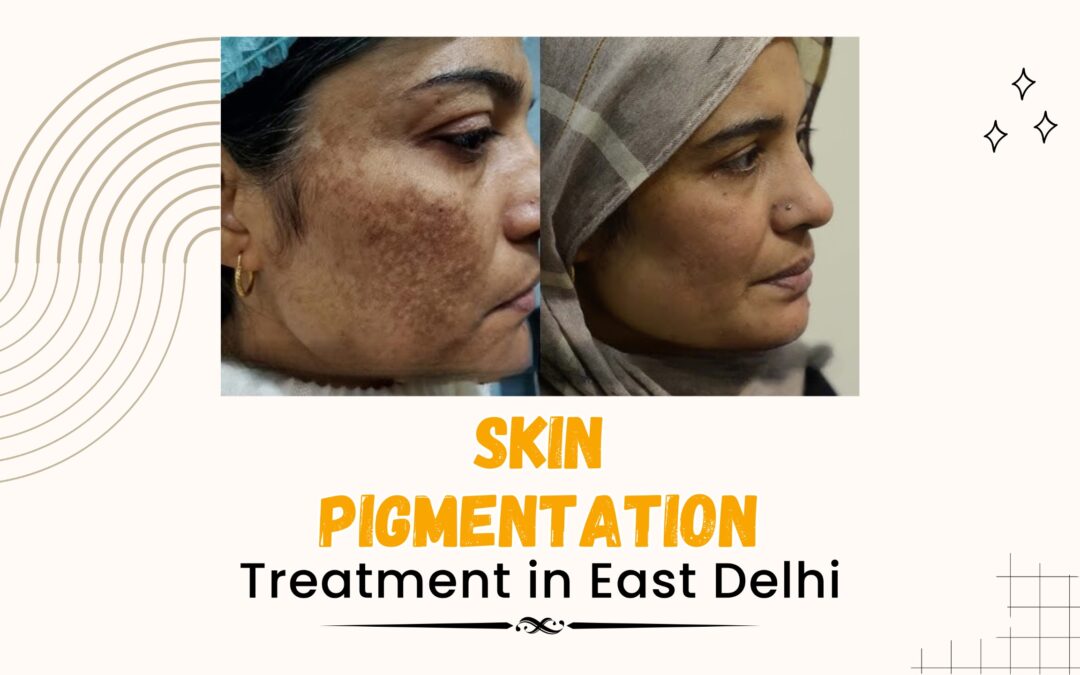
Skin pigmentation refers to the color of your skin, which is determined by melanin — a natural pigment produced by skin cells. When your body produces too much melanin in certain areas, it leads to hyperpigmentation, causing dark spots or patches.
Common Causes of Pigmentation
There are several reasons why pigmentation can occur, including:
Sun Exposure: UV rays stimulate melanin production, especially on exposed areas like the face, neck, and arms.
Hormonal Changes: Conditions like melasma are common during pregnancy or hormonal treatments.
Acne Scars: Post-inflammatory hyperpigmentation often happens after acne or injuries.
Aging: Age spots or “liver spots” become more common with time.
Genetics: Some people are simply more prone to uneven skin tone.
Types of Pigmentation Conditions
Understanding the type of pigmentation helps in selecting the right treatment. The most common types include:
1. Melasma
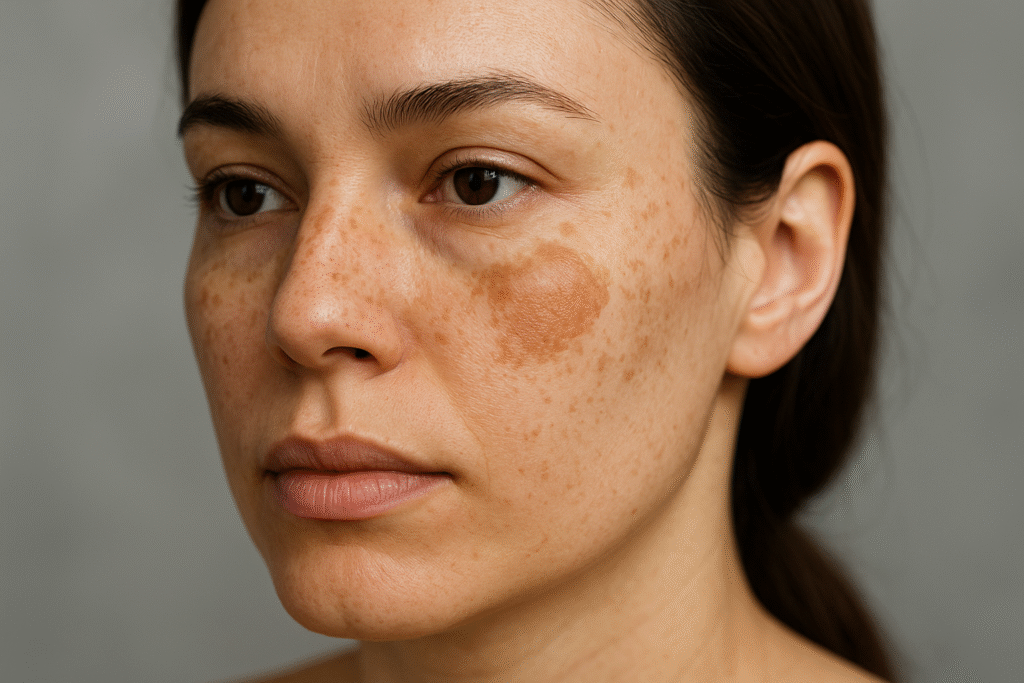
Often appears as brown or grayish patches on the cheeks, forehead, and upper lip. It’s more common in women and often linked to hormones.
2. Sunspots (Solar Lentigines)
Flat brown spots caused by prolonged sun exposure, usually on the face, shoulders, or hands.
3. Post-Inflammatory Hyperpigmentation (PIH)
Dark marks left behind after acne, burns, or skin trauma.
4. Freckles
Small, scattered brown spots that may become more pronounced with sun exposure.
Why Choose Treatment in East Delhi?
East Delhi has rapidly grown into a hub for advanced skincare treatments, thanks to its blend of experienced dermatologists, modern clinics, and affordable pricing.
Experienced Dermatologists who specialize in pigmentation disorders
Latest technologies like laser therapy, chemical peels, and microneedling
Budget-friendly options compared to high-end clinics in South Delhi or Gurgaon
Easily accessible via metro and public transport
Professional Treatment Options in East Delhi
Now, let’s dive into the most effective professional treatments for pigmentation that are commonly offered by clinics in East Delhi.
1. Chemical Peels
Mild acids (like glycolic, lactic, or salicylic acid) are applied to exfoliate the skin and remove pigmented layers. It’s especially helpful for superficial pigmentation.
How it works: Removes dead skin cells, boosts cell turnover, and gradually lightens dark spots.
Ideal for: PIH, melasma, sun spots
2. Laser Pigmentation Removal
Laser treatments like Q-switched Nd:YAG target melanin and break it down without damaging surrounding skin.
How it works: Laser energy is absorbed by pigment, causing it to break apart and be naturally removed by the body.
Ideal for: Deeper pigmentation, melasma, freckles, sun damage
3. Microneedling with Serums
Tiny needles create micro-injuries that trigger healing and collagen production. When combined with serums like Vitamin C, it enhances skin clarity.
How it works: Boosts collagen and helps lightening agents penetrate deeper into the skin.
Ideal for: Textured skin, acne marks, dull tone
4. Topical Prescription Creams
Dermatologists may prescribe skin-lightening creams with ingredients like hydroquinone, kojic acid, retinoids, or vitamin C.
How it works: Inhibits melanin production and lightens existing spots.
Even after professional treatments, your skincare habits make a huge difference. Here’s how to maintain and enhance your results:
Use Sunscreen Daily: This is non-negotiable. Choose SPF 50+ and reapply every 2–3 hours.
Gentle Cleansing: Avoid harsh scrubs that can irritate your skin and worsen pigmentation.
Hydration: Use a hydrating serum or moisturizer to keep your skin barrier healthy.
Targeted Serums: Use serums with niacinamide, vitamin C, or arbutin to brighten skin over time.
Avoid Picking at Skin: It can worsen PIH and lead to scarring.
What to Expect During Treatment
If you’re visiting a skin clinic in East Delhi for the first time, here’s what typically happens:
Consultation: The dermatologist will examine your skin and discuss your history.
Skin Analysis: Some clinics use digital tools to assess pigment depth and skin type.
Custom Treatment Plan: Based on your skin and pigmentation type.
Procedure: Usually painless or mildly uncomfortable, depending on the method.
Aftercare Guidance: Instructions for recovery and skincare maintenance.
How Long Before You See Results?
Pigmentation treatment is not an overnight fix. Depending on the severity, it may take:
2 to 6 weeks for visible fading (chemical peels or creams)
3 to 5 sessions for laser treatment or microneedling
Months for stubborn melasma or hormonal pigmentation
Consistency and patience are key. Most clients start seeing noticeable improvement within the first month, especially with professional guidance.
How to Choose the Right Clinic in East Delhi
Choosing the right skincare clinic is just as important as choosing the right treatment.
Look for:
Qualified dermatologists with experience in pigmentation treatment
Positive patient reviews and before-after results
Hygienic and well-equipped facilities
Transparent treatment plans (no hidden procedures)
Clinics that offer post-treatment support and follow-ups
Popular areas in East Delhi with good dermatology clinics include Preet Vihar, Laxmi Nagar, Mayur Vihar, Patparganj, and Karkardooma.
Conclusion
Skin pigmentation can affect your confidence, but the good news is — it’s treatable. With the right guidance and modern treatments, you can achieve brighter, more even-toned skin.
Whether you’re dealing with melasma, sunspots, or acne marks, finding the right skin pigmentation treatment in East Delhi can be a game-changer. Start with a consultation, follow your dermatologist’s advice, and stay consistent with skincare.
Your glowing skin is just a few steps away.
FAQs – Skin Pigmentation Treatment in East Delhi
1. Is pigmentation treatment safe for all skin types?
Yes, most modern treatments like lasers and peels are safe for all Indian skin types, especially when done under expert supervision.
2. How many sessions are needed to remove pigmentation?
It depends on the type and depth of pigmentation, but most people need 3–6 sessions for visible improvement.
3. Can home remedies help with pigmentation?
Mild cases may benefit from natural remedies like aloe vera, turmeric, or vitamin C, but deeper pigmentation needs professional care.
4. Will the pigmentation come back after treatment?
It can, especially if sun protection is not maintained. That’s why dermatologists emphasize regular sunscreen use and maintenance care.
5. What’s the best age to start pigmentation treatment?
There’s no ideal age—it depends on when the issue starts bothering you. Even people in their early 20s begin treatment for acne marks or sun damage.
Let’s face it—removing unwanted body hair is a never-ending cycle. Whether it’s shaving every other day, booking monthly waxing appointments, or dealing with ingrown hairs, it can get exhausting. If you’re searching for a more lasting solution, Laser Hair Removal might be exactly what you need.
In this guide, we’ll walk you through how it works, the benefits, what to expect, and common questions—explained in a clear, no-jargon way.
What Is Laser Hair Removal?
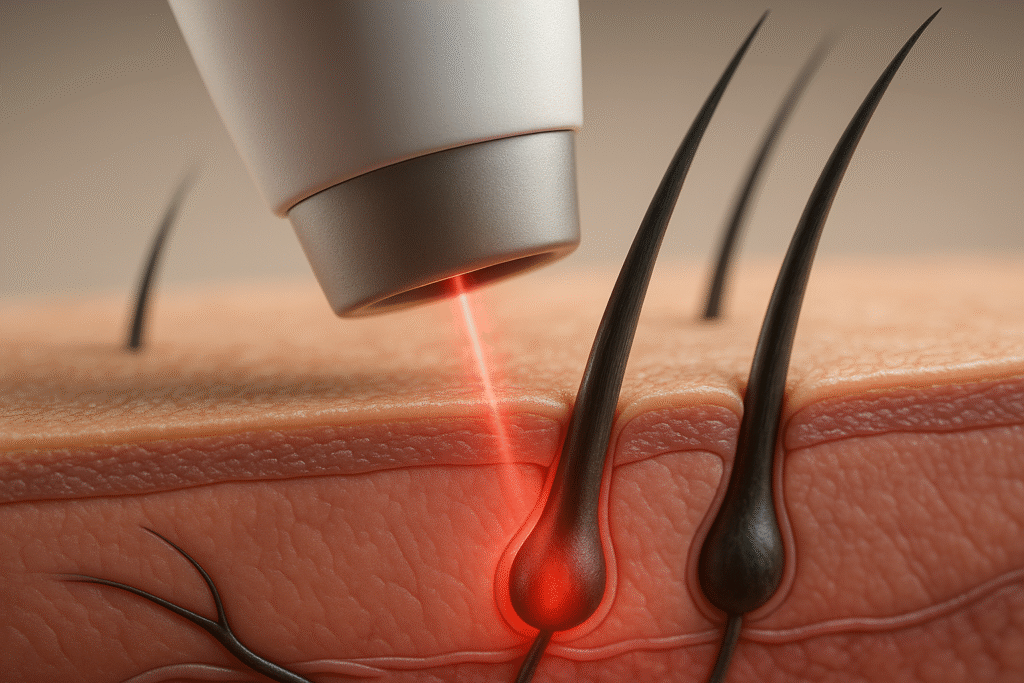
Laser Hair Removal is a cosmetic procedure that uses laser light to target hair follicles. The pigment in the hair (melanin) absorbs this light, which heats and damages the follicle, slowing or stopping hair growth over time.
While it doesn’t remove every single hair permanently, it offers long-lasting results. Many people find they no longer need to shave or wax regularly after completing a series of treatments.
How Does It Work?
To understand Laser Hair Removal, it helps to know how your hair grows. Hair goes through three phases:
Anagen (growth phase)
Catagen (transition phase)
Telogen (resting phase)
Laser treatment is only effective during the anagen phase, when the hair is actively growing and still connected to the follicle. Since not all hairs are in this phase at the same time, multiple sessions are necessary to catch all the hairs as they cycle through growth.
During treatment, the laser targets the melanin in the hair. The light energy converts to heat, damaging the follicle enough to prevent or significantly delay regrowth.
Why People Love Laser Hair Removal
There are plenty of reasons why people are switching from razors and wax to laser technology.
First, it gives you long-lasting results. After a few sessions, most people notice a dramatic reduction in hair growth. For some, the hair barely grows back—or comes in lighter and finer.
Second, it saves time. Imagine not having to shave every morning or schedule a waxing appointment before your next vacation. Once your sessions are done, maintenance is minimal.
Third, it reduces ingrown hairs. If you often deal with painful, inflamed bumps after shaving or waxing, Laser Hair Removal can help by destroying the root cause—literally.
Lastly, it’s quick and precise. Small areas like the upper lip take just a few minutes to treat. Even larger areas like legs or back are surprisingly efficient with today’s technology.
Who Is It Best For?
Laser Hair Removal works best on people with light skin and dark hair, because the laser targets melanin (pigment). However, newer lasers are now effective on darker skin tones as well, thanks to technologies like the Nd:YAG and diode lasers that bypass the pigment in the skin and go directly to the hair follicle.
If you have blonde, white, gray, or red hair, Laser Hair Removal may be less effective. These hair types have less pigment, making it harder for the laser to detect and destroy the follicle.
Areas You Can Treat
You can use Laser Hair Removal on just about any part of the body where unwanted hair grows. Popular treatment areas include:
Face (upper lip, chin, jawline)
Underarms
Bikini area or full Brazilian
Legs and arms
Back and chest
Neck and shoulders
Stomach or lower abdomen
Some people choose to treat a small area, while others go for a more comprehensive approach with multiple zones. It really depends on your goals and comfort level.
What to Expect Before, During, and After Treatment
If it’s your first time, the process may sound intimidating, but it’s actually quite straightforward.
Before your session, you’ll be asked to shave the area 24 hours prior. Avoid waxing, plucking, or bleaching the hair in the weeks leading up to treatment, since the laser needs the root to be intact. Also, try to avoid sun exposure and tanning for a couple of weeks.
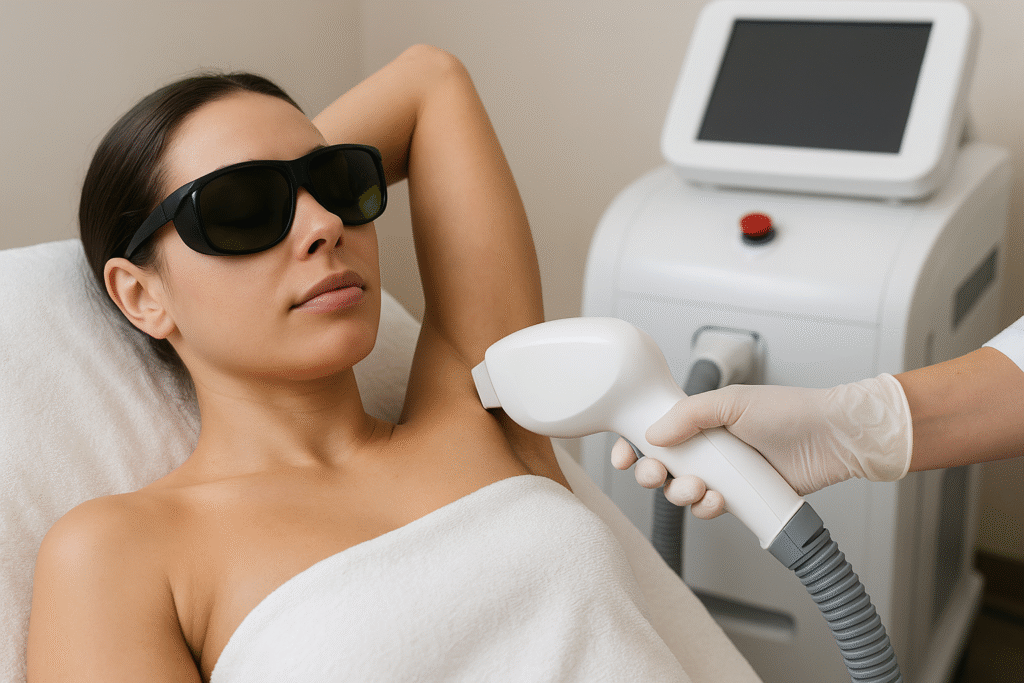
During the session, you’ll wear protective goggles to shield your eyes. The technician may apply a cooling gel or use a device with a built-in cooling tip to make the treatment more comfortable. The sensation is often described as a quick zap or snap—kind of like a rubber band flicking against the skin.
After treatment, your skin might be a little red or puffy, similar to a mild sunburn. This usually fades within a few hours. You can soothe the area with aloe vera or a cold compress. It’s also important to avoid hot showers, saunas, and intense workouts for about 24 to 48 hours. And always wear sunscreen on treated areas if they’re exposed to the sun.
How Many Sessions Do You Need?
Most people need six to eight sessions for optimal results. These are usually spaced four to six weeks apart, depending on the area and your hair growth cycle. The reason for this is that not all hairs are in the growth phase at the same time, and the laser is only effective on active follicles.
After you complete your initial series, you might need occasional maintenance treatments, usually once or twice a year, especially if you experience hormonal hair growth.
Is It Painful?
Pain is subjective, but most people describe Laser Hair Removal as mild to moderately uncomfortable—nothing unbearable. It’s often compared to a light pinch or the snap of a rubber band. Some areas, like the bikini line or upper lip, may be more sensitive due to thinner skin and more nerve endings.
If you’re concerned about discomfort, ask your technician about applying a numbing cream before the session. Many modern devices also include a cooling feature to make the process more comfortable.
Is It Safe?
Yes, when performed by a qualified and experienced technician, Laser Hair Removal is very safe. It’s been FDA-approved for years and is one of the most commonly performed cosmetic treatments worldwide.
However, like any procedure, there can be some temporary side effects, including:
Redness
Swelling
Mild skin irritation
A slight burning or tingling sensation
Serious side effects, such as burns, blisters, or pigmentation changes, are rare—especially when proper safety protocols are followed. That’s why it’s important to choose a reputable clinic with skilled professionals.
Are the Results Permanent?
Laser Hair Removal offers long-term reduction, not 100% permanent removal for everyone. Many people experience permanent hair loss in treated areas, especially after several sessions. Others may see occasional regrowth, which tends to be lighter, softer, and more manageable.
Hormonal changes, like those caused by pregnancy or medical conditions such as PCOS, can trigger regrowth over time. That’s where maintenance sessions come in handy—they help keep your skin smooth year-round.
Tips to Maximize Your Results
Here are a few expert tips to get the most out of your Laser Hair Removal journey:
Stick to your schedule. Skipping sessions can reduce the treatment’s effectiveness.
Avoid waxing or plucking. The laser needs the hair root to work.
Don’t tan before or after. Tanned skin increases the risk of burns or pigmentation issues.
Keep skin moisturized. Hydrated skin tends to heal and respond better.
Be patient. Results improve with time and consistency.
Conclusion
Laser Hair Removal is more than just a beauty trend—it’s a practical, long-term solution for smooth, hair-free skin. It’s convenient, effective, and can help you break free from the cycle of constant maintenance.
If you’re tired of shaving, fed up with waxing, or just ready for something more lasting, Laser Hair Removal might be exactly what you need. Just make sure to choose a professional provider, follow your treatment plan, and give your skin the care it deserves.
Frequently Asked Questions
1. How long does Laser Hair Removal last? Results can last for months or even years. While it’s not always permanent, many people enjoy long periods of smooth, hair-free skin with only occasional maintenance.
2. Can I shave between sessions? Yes, shaving is perfectly fine and even recommended. Just avoid waxing, tweezing, or anything that removes the hair from the root, as this interferes with the laser’s ability to target the follicle.
3. Is Laser Hair Removal suitable for all skin types? Modern laser technologies can treat most skin types safely. However, it’s important to consult with a provider who has experience working with your specific skin tone.
4. How soon will I see results? You may notice thinner or patchy regrowth after the first session. Most people start seeing visible improvements after two or three treatments, with best results after six or more.
5. Can I get Laser Hair Removal on my face? Yes, facial areas like the upper lip, chin, sideburns, and jawline are commonly treated. Just be sure to follow aftercare instructions carefully, as facial skin can be more sensitive to sunlight and irritation.
Have you ever looked in the mirror, noticing that you wished that your skin looked clearer, fresher, or just some how… healthier? Your not alone. And if you have been seeing the word “hydrafacial” on beauty blogs or TikTok lately, you maybe asking yourself: what is the hype?
The deal? A hydrafacial is not just any old facial. It is your skins reset button. A 30 – 45 minute treatment that cleanses, exfoliates, extracts, and hydrates your face, leaving you completely glowing. It may sound too good to be true? Across the board, thousands of people love this treatment from skincare novices, to celebrities on the red carpet.
So, what is the craze about hydrafacials? Why do so many people make it part of their routine consistently? Let’s break it down step by step, and make this description of hydrafacial feel less medical, and more like we are talking over coffee.
How Does a HydraFacial Really Work?
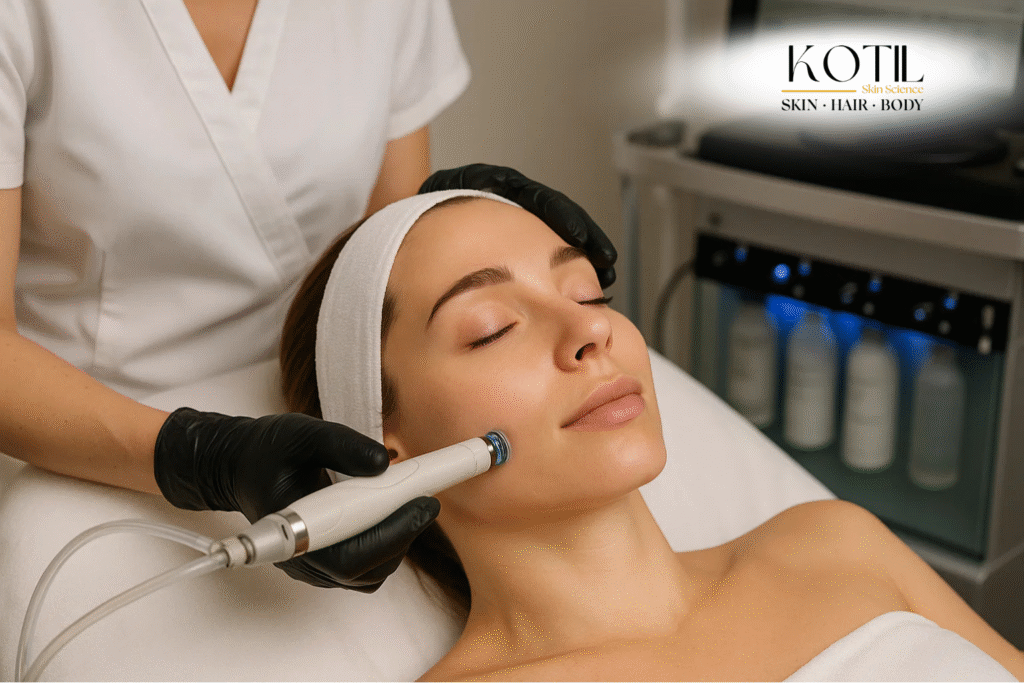
You walk into the clinic/spa, take a seat in a reclined chair, and a trained technician uses a pen-shaped handheld device on your skin. That’s the magic of a hydrafacial!
Here’s what really is going on; Cleanse & Exfoliate – The dead skin is gently removed by the device exposing smoother, brighter skin. Acid Peel – Don’t panic! It’s very mild! A combination of glycolic acid and salicylic acid will loosen all the dirt and oil from deep in your pores, without the redness and burning from chemical peels. Extraction – Instead of painful squeezing, the hydrafacial uses painless suction to vacuum out blackheads, excess oil, and debris from your pores. Hydration – You get the best part! The technician applies hydrating serums with antioxidants, peptides, and hyaluronic acid to your cleansed skin.
Why does it work so well? Because it not only is taking away nasty stuff, but it is also nourishing your skin. Think of it like cleaning out your fridge and then putting healthy, fresh food back into it!
What Is It About HydraFacial That Has People Hooked?
“It’s easy to see why the hydrafacial trend continues to grow as there are so many reasons it’s such a popular treatment”. Here are just a few reasons why you can’t get enough:
Instant satisfaction – you can see immediately after your hydrafacial that your skin is smoother, clearer, and more dewy: no need to wait a week to notice results!
Gentle but effective – hydrafacials can be done on all skin types, even if you have sensitive skin, unlike other treatments that leave you red or peeling.
Deeply hydrating – if your skin is dry, it will feel plump and soft because of the action of the infused serums.
Makeup application is flawless – foundation goes on smoothly after you have done a hydrafacial.
Customization – your skin isn’t like anyone else’s which is why hydrafacials are custom to your current skin needs. The machine has different serums (boosters) to target your concerns, such as, acne prone skin, fine lines and wrinkles, and dull skin.
At the end of the day, a hydrafacial gives life back to your skin, basically “a fresh start”… and who doesn’t want that?
Who is a HydraFacial for?
Honestly? Pretty much everyone. The hydrafacial is adaptable for all skin types—oily, dry, combination, or highly reactive.
Teens and twenty-somethings love it for keeping pores free of debris and calming breakouts.
People in their 30s and 40s love it for fighting early signs of aging, such as fine lines and sun spots.
And, anyone older enjoys the intense hydration and glow they get from a hydrafacial on mature skin.
If you’ve had a lumpy (figuratively speaking or not) experiences with harsher facials, the hydrafacial may come as a pleasant surprise. Unlike many facials, hydrafacials are soothing, not harsh. If your skin changes time (eg. you had acne as a teenager, using retinoids as an adult, having dry skin when you get older), the hydrafacial can be tailored for you.
What Can You Expect During a HydraFacial?
Imagine this: You walk in without makeup (don’t worry, everyone comes in barefaced), chat with your aesthetician about your goals, and then just completely relax.
The device glides over the skin and you can feel the coolness as if a paintbrush is moving around your face. The suction component feels like a tiny vacuum cleaner gently lifting away dirt and oil. Most people at this time experience that the device feels more like a spa treatment or something nicer than a medical process.
Afterward, your skin looks clean, feels soft, and actually glows. Some people experience a little bit of redness, but the redness typically fades within a few hours. The next day, you very well may do a double take in the mirror because your face just looks that good.
HydraFacial vs. Other Treatments: What Is Unique
Let’s be honest: there are literally tons of facials and peels on the market. What makes HydraFacial your best choice?
Unlike microdermabrasion it is non-invasive. It literally suctions the impurities rather than scratching at your skin.
Unlike chemical peels, you don’t peel for days. HydraFacial uses mild acid chemical peels with hydration.
Unlike some traditional facials, HydraFacial doesn’t just clean. It also hydrates and protects your skin.
You can think of HydraFacial like a full skincare routine Cleanser, exfoliator, extractor, serum, and moisturizer all in one smarter device.
Common Myths About HydraFacial (And Why They Are Wrong)
“It feels painful.” Nope! It actually feels relaxing!
“Only women get it.” Wrong! Men get HydraFacials to reduce oiliness and simply clean blocked pore areas too!
“One treatment is the fix forever.” We wish! You will see the instant results, but regular treatments are maintaining your complexion.
“It is only for acne.” Wrong! It is also for hydration, fine lines, pigmentation and even just general dullness.
How often should you do a Hydrafacial?
Typically it is recommended monthly. why? Because your skin is renewing itself every 28 days, so hydrafacials every 4-6 weeks will keep your pores clean and your glow fresh. Between hydrafacial treatments, keep it very simple: gentle cleansing, daily spf, a moisturizer, and serum according to your needs.
Can I do a hydrafacial at home?
You will hear that some at-home devices provide an at home “hydrafacial” experience, and be honest with yourself, they do not. They may claim to have suction benefits, but not at the professional level, they do not have medical grade serums, and they do not use a patented technology like the vortex technology of a hydrafacial. At home care is still very important, especially good daily skincare routine, but for deep pore cleansing and true hydration, there is no comparison with the professional treatment.
Combining Hydrafacial with other treatments
Hydrafacial treatment can be combined with other treatments. Many people do hydrofacial and then add: LED light therapy to help reduce redness Dermaplaning for smoother complexion Gentle facial peels(on a different day) for an added brightening Avoid aggressive procedures right after, like deep chemical peels, or lasers.
Finding the Right Location for your HydraFacial
Not all hydrafacials are created equally. Be sure to find a licensed, trained professional at a reputable clinic or spa. Read reviews and research, ask questions, be sure they are using the proper hydrafacial equipment—not the knock-offs.
Real People, Real Results
Scroll through Instagram or TikTok, and you’ll understand why hydrafacials have a cult following. People are raving about smoother skin, smaller-looking pores, soft texture, and the “did you just get back from vacation?” glow.
It’s not magic, but it’s pretty close.
Are There Any Downsides?
Side effects are usually mild, such as slight redness, tightness, or slack tingling right after. Not usually recommended if you have active infections, severe rosacea, or certain skin conditions. Always check with your provider if you’re unsure.
Summary
A hydrafacial is more than just a beauty craze. It is a practical, science-backed way to deeply cleanse, hydrate, and protect your skin—with results you can see and feel right away. Whatever your goal might be—breakouts, hydration, or a hydrated, lit-from-within glow—the hydrafacial can help you achieve your goal—with no downtime. So why not treat yourself? Your skin may just thank you!
FAQs Hydrafacial
1. How long does a hydrafacial take? About 30–45 minutes.
2. Is it painful? Not at all—it actually feels relaxing.
3. Can men get hydrafacials? Definitely! Many men love it.
4. Will I peel after? Nope. No peeling or downtime.
5. How often should I get one? Every 4–6 weeks is ideal.